

Kratom: What Patients and Clinics Should Know
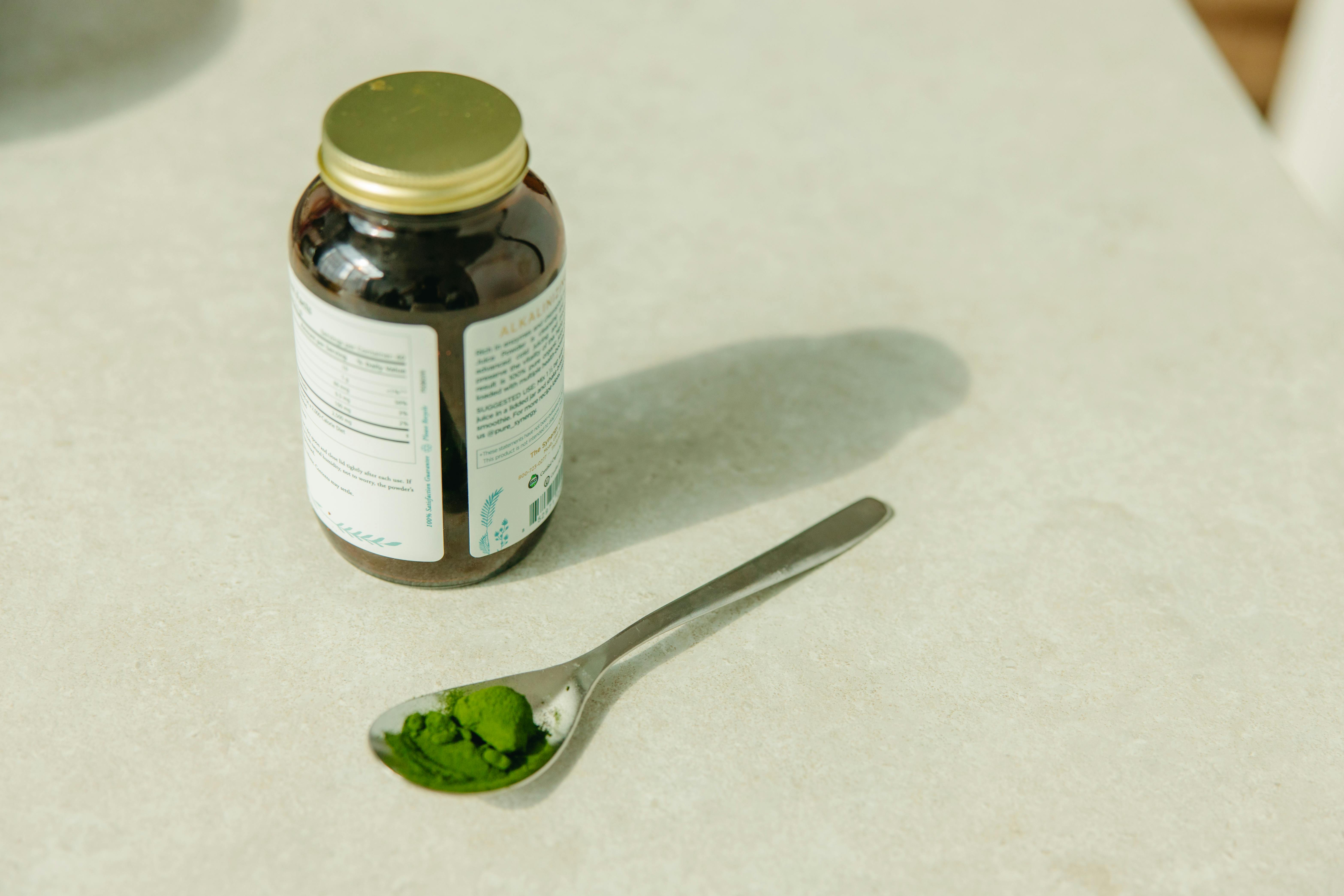
Kratom is a plant-based product that has become popular in the U.S. for self-treating pain, anxiety, and opioid withdrawal. While some people believe kratom is a “natural” alternative, it is important to know the facts and risks.
Is Kratom Safe?
Kratom is not approved by the FDA for any medical use. The FDA has issued public health advisories warning about the risks of kratom, including reports of liver injury, seizures, addiction, and even death. Many kratom products are unregulated, which means they can be contaminated or have unpredictable effects.
Can Kratom Help with Opioid Withdrawal?
Some people use kratom to manage opioid withdrawal or pain. However, there is no high-quality scientific evidence that kratom is safe or effective for these uses. The FDA recommends using approved treatments for opioid use disorder, as these have been proven to work and are much safer.
Is Kratom Addictive?
Yes, kratom can be addictive. People who use it regularly may develop tolerance, need higher doses, and experience withdrawal symptoms if they stop. Kratom use disorder is managed similarly to other substance use disorders.
What Are the Legal Issues?
Kratom is not federally regulated, but it is illegal in several states and banned in many countries.
Key Takeaways
- Kratom is not FDA-approved and carries real health risks.
- Addiction and withdrawal can occur with regular use.
- Unregulated products may be contaminated or unsafe.
- Safer, proven treatments are available for pain and opioid use disorder.
For more information or support, contact our clinic. We are here to help you find safe and effective treatment options.
